

Why Fewer Builders Can Handle New Construction Projects
Understanding the $1–$5M Project Gap in Philadelphia
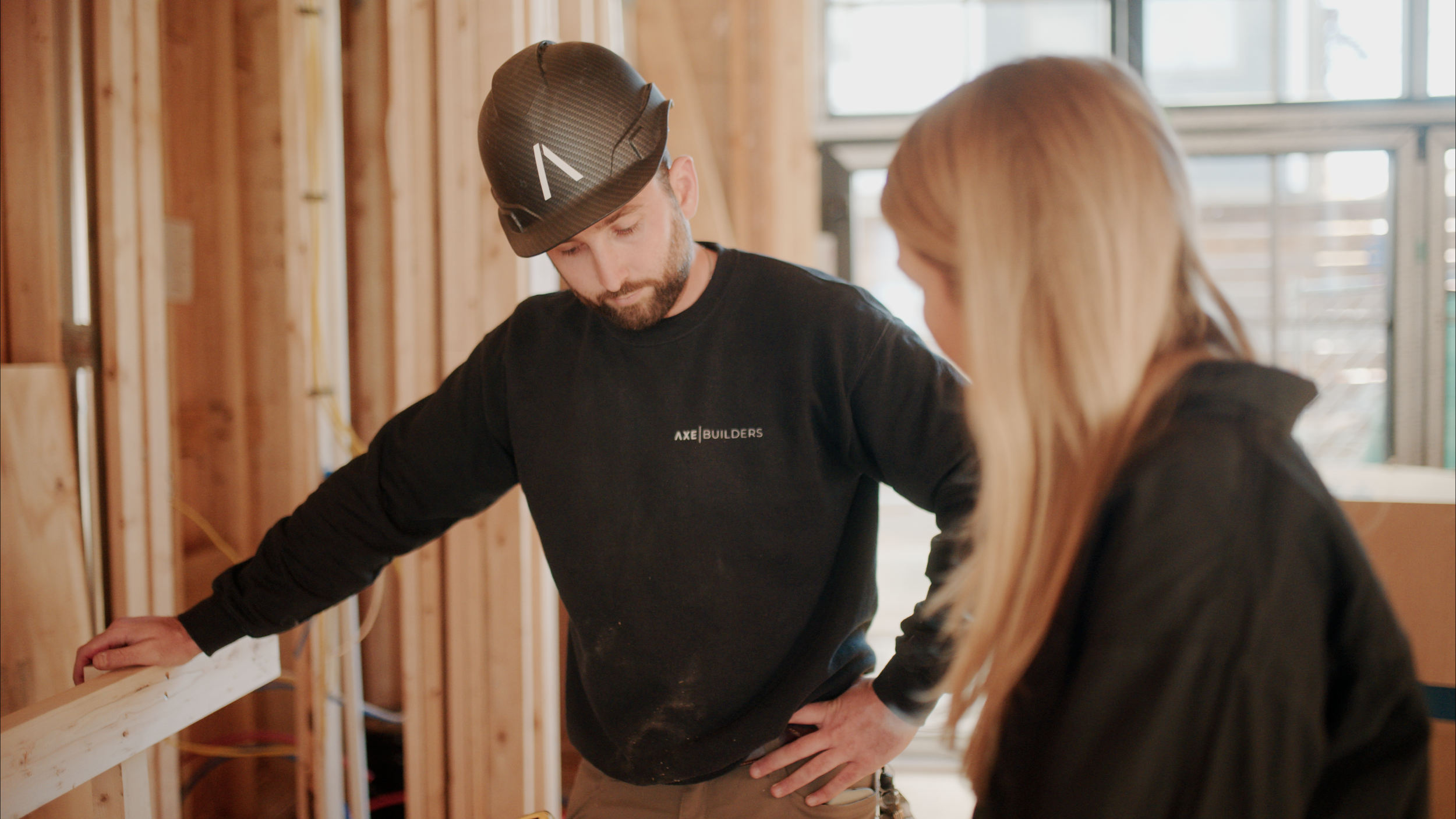
At first glance, construction can seem pretty straightforward. Plenty of firms can renovate a house, build a rowhome, or manage a small addition. But once a project crosses a certain threshold, like ground up construction, complex logistics, or layered financing, the pool of capable builders shrinks fast.
In Philadelphia especially, new construction projects have a way of exposing gaps in experience, systems, and judgment almost immediately. That’s why sophisticated developers often end up working with the same small group of builders again and again. The real barrier to entry is not marketing or ambition. It’s execution at scale.
Here’s why fewer builders are truly equipped to handle large new construction projects in Philadelphia, and why those differences matter more than most people realize.
1. Pre-Construction Is Where Most Builders Fall Short
One of the biggest misconceptions in construction is that the job starts when the first pile of dirt is moved. In reality, large projects are often won or lost long before ground is broken. True pre-construction requires:
Detailed cost modeling, not rough estimates
Constructability reviews that challenge design assumptions
Early coordination with structural, MEP, and civil engineers
Procurement planning for long lead materials
Realistic scheduling that accounts for Philadelphia’s inspection process
Many builders either underinvest in pre-construction or treat it like a sales exercise. The result is a project that looks good on paper but becomes fragile once real world constraints show up. New construction rewards preparation, not optimism.
2. Philadelphia Adds Complexity You Can’t Learn on the Fly
Philadelphia is not a plug and play construction market. Utility coordination, party walls, site access limitations, and inspection workflows all add friction. Builders without deep Philadelphia experience often:
Misjudge inspection sequencing and create avoidable delays
Miss utility coordination until it impacts the schedule
Struggle with logistics on tight urban sites
On a large project, these issues do not add days. They can add months. Once lenders, investors, and equity partners are involved, time becomes just as expensive as materials. Experienced Philadelphia builders do not just know the rules. They know how the city actually works in practice.
3. Financial Discipline Separates Scalable Builders From Everyone Else
Large new construction projects expose financial weaknesses very quickly. Builders without strong financial systems often run into:
Inaccurate or delayed cost tracking
Incomplete or late draw submissions
Cash flow gaps that impact subcontractor performance
Disputes over scope, allowances, and change orders
Professional developers expect clean documentation, transparent reporting, and disciplined cost management. They also expect their builder to understand lender requirements and operate comfortably within them. When a builder struggles with financial structure, they become a liability not just to the project, but to the entire capital stack.
4. Talent Density Matters More Than Headcount
Scaling a construction company is not about hiring more people. It is about hiring the right people in the right roles. Large new construction projects require:
Site managers who understand sequencing, not just craftsmanship
Project managers who can coordinate high level decisions
Leadership that can make clear, disciplined calls under pressure
Many builders try to scale by stretching underqualified staff across larger projects. That usually leads to decision bottlenecks, missed details, and inconsistent execution. Builders who succeed at scale invest heavily in talent density. These are experienced professionals who can operate independently, communicate clearly, and protect the project without constant oversight.
5. Risk Management Is Non-Negotiable at Scale
On larger projects, risk is constant. Insurance coverage, contractual clarity, scope definition, and documentation all become critical. Builders without strong risk management practices often expose developers to unnecessary liability, disputes, and downstream legal issues. Sophisticated developers look for builders who:
Maintain clean, organized sites with proper safety procedures
Keep disciplined documentation throughout the project
Anticipate risk instead of reacting to it
This level of professionalism is not visible in a bid number, but it becomes very visible when something goes wrong.
6. Not Every Builder Should Be Chasing Large Projects
One of the least discussed truths in construction is that not every builder should be pursuing large ground up projects. Some firms are excellent at renovations. Others thrive in small scale residential work.
Large new construction demands a different operating model, a higher tolerance for risk, and much more infrastructure. The builders who succeed at this level are selective. They turn down work. They focus on fit instead of volume. And they build long term relationships with developers who value competence over the lowest price.
Final Thoughts
Large new construction projects rarely fail because of one mistake. They fail because of weak systems, insufficient planning, and misaligned expectations. That is why so few builders can truly handle them.
For developers in Philadelphia, choosing the right construction partner is not about finding someone who can build. It is about finding someone who can manage complexity, protect capital, and execute consistently in a demanding environment.
As Philadelphia continues to evolve and projects become more sophisticated, that gap will only widen. The builders who remain will be the ones who built their companies to operate at this level intentionally, systematically, and without shortcuts.